For businesses in Gurugram:
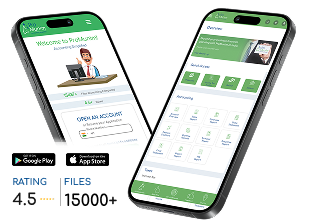
ProMunim provides smart business support for accounting,
CRM, GST billing, compliance, reporting and digital business management.
Businesses, startups, MSMEs and professionals in Gurugram can use ProMunim to simplify daily business operations, improve financial tracking, manage customers, automate billing and stay compliant with Indian business requirements.
10 Practical Tips for Starting Your Own Business in India
Want to be your own boss? It can be one of the best decisions of your life, but only if you start with a clear plan. Before you invest money, make sure there is real demand for your product or service, customers are willing to pay for it, and you have the resources to see the plan through. These tips for starting your own business will help you take the right steps, from your first idea to your first invoice.
1. Start with a clear and simple business idea
Can you explain what you sell in one or two sentences? If not, refine the idea first. The most successful businesses solve a clear problem, fill a gap in the market, or offer better value through a unique selling point or a lower price.
If you are moving from a job to freelancing or consulting, research what other freelancers charge and how they find clients. Decide whether you want to be a general expert or a specialist in one niche, such as food, finance or fashion. A niche means a smaller market, but it is usually easier to win clients in it.
2. Validate the market before you invest
Talk to your target customers. Check competitors, their pricing and their reviews. Ask yourself:-
- Is there enough demand in my city or online?
- Will people pay my price?
- What will make them choose me over others?
If you are thinking about a franchise, remember that it offers a proven brand and system but needs a larger upfront investment. You can explore ProMunim of India's franchise opportunity if you want a model that is already tested.
3. Choose a business idea that fits your skills
Here are popular business categories in India that you can consider:
- Retail and e-commerce: online stores, boutiques, market stalls
- Food and beverage: cloud kitchens, cafés, catering, cake making
- Creative businesses: jewellery, crafts, candles, interior design
- Fashion: tailoring, boutique clothing, bags and accessories
- Coaching, consulting and training: business, career or skill-based
- Business support services: digital marketing, web development, copywriting, virtual assistance
- Health and wellness: gyms, personal training, nutrition advice
- Home and personal services: salons, tutors, cleaning, repairs
- Transport and logistics: delivery, courier, vehicle rental
- Tourism and hospitality: homestays, travel planning, outdoor activities
4. Check if your business can make money
Before you launch, answer these practical questions:
- Will you work from home, or do you need a commercial space? What are the costs and legal rules?
- Where will you sell: online, offline or both?
- Do you need any licence, skill certification or insurance?
- Can you handle everything yourself, or do you need to hire a developer, a salesperson or an accountant?
- How will you fund the business, and how will you manage your personal expenses until it earns?
These answers decide your cash flow, so settle them before you spend. Planning, pricing and sales forecasting become much easier with professional financial planning support.
5. Choose the right business structure
Your legal structure affects tax, liability, funding and compliance. In India, the common options are:
- Sole Proprietorship: simplest and cheapest, best for freelancers and very small businesses
- Partnership Firm: for two or more people sharing profit, governed by a partnership deed
- One Person Company (OPC): a company structure for a single founder
- Limited Liability Partnership (LLP): partnership flexibility with limited liability
- Private Limited Company: best for startups that want to raise funds and scale
If you are unsure, compare them with a professional before registering. Choosing the wrong structure is expensive to fix later. You can view all options on the ProMunim of India business registration services page.
6. Complete your registrations and licences
Once your structure is ready, get the legal basics in place:
- PAN card for the business or proprietor
- GST registration, if your turnover or business type requires it
- Udyam (MSME) registration for small business benefits and easier loans
- Shop and Establishment registration for shops and commercial establishments
- FSSAI registration if you run a food business
- Startup India registration if you qualify for government startup benefits
- Trademark registration to protect your brand name and logo
It is important to check what the law requires in your field before you start trading.
7. Set up proper accounting from day one
Many small businesses struggle because of poor record keeping, not because of a poor idea. Keep business and personal money separate, track every invoice and expense, and stay ready for tax filing. ProMunim of India's online accounting services combine technology dashboards with a personal accountant, so you can manage invoices and taxes remotely.
8. Stay compliant with tax and legal rules
GST returns, TDS, income tax and company filings come with deadlines and penalties. Missing them can hurt a young business badly. Our tax compliance services help you file on time and plan taxes to save legally.
9. Plan your funds and keep a backup
Think about all your spending, business and personal, before setting prices and budgets. Keep enough savings or a backup income to cover a few months of bills before you spend everything on stock or office space. Good capital management, covering receivables, payables and liquidity, keeps your business out of cash trouble.
10. Check if you are ready for the entrepreneur's life
Running a business is rewarding, but it needs persistence, self-motivation and creativity. Ask yourself:
- How many hours can I work each week, and how will I balance work and home?
- Can I handle uncertainty, stress and slow months?
- Am I willing to improve my communication, negotiation and digital skills?
- Do I have a plan for hiring help when the business grows?
Take care of your physical and mental health, because you are the most important asset in the business.
Conclusion
Starting a business in India becomes much easier when you take it one step at a time: validate your idea, pick the right structure, complete your registrations, keep your accounts clean and stay compliant with tax rules. These tips for starting your own business will help you avoid the most common early mistakes and build on a strong foundation.
If you need help with company registration, accounting, GST or tax compliance, ProMunim of India’s expert team can handle it for you, so you can focus on growing your business. Contact ProMunim of India today and take your first step with confidence.
Frequently Asked Questions
What is the first step to start a business in India?
Start by validating your idea and choosing a business structure. After that, complete PAN, GST and Udyam registration as applicable.
Which business structure is best for a beginner?
A sole proprietorship is simple and low-cost for small businesses. If you plan to raise funds or grow fast, a private limited company is usually better.
Do I need GST registration to start a small business?
It depends on your turnover, the type of goods or services, and whether you sell across states or online. Check the current rules or consult an expert.
How much money do I need to start a business?
It varies by business type. Always include registration costs, working capital, marketing and personal expenses for a few months in your budget.
Need help starting your business?
ProMunim of India helps entrepreneurs with business registration, accounting, tax compliance and financial planning under one roof. Contact our team or check our pricing to get started today.