For businesses in Jaipur:
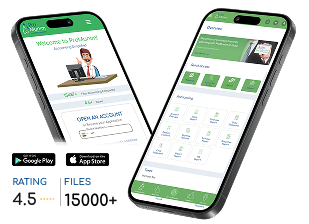
ProMunim provides smart business support for accounting,
CRM, GST billing, compliance, reporting and digital business management.
Businesses, startups, MSMEs and professionals in Jaipur can use ProMunim to simplify daily business operations, improve financial tracking, manage customers, automate billing and stay compliant with Indian business requirements.
Planning to Start a Business in India? Here’s Everything You Need to Know
Starting a business in India is one of the biggest dreams for many entrepreneurs, freelancers, professionals, and young innovators. With India becoming one of the fastest-growing startup ecosystems in the world, this is the perfect time to turn your business idea into reality.
However, many aspiring entrepreneurs struggle with questions like the following:
- How to start a startup in India?
- Which business registration is best?
- Is GST registration mandatory?
- What legal compliances are required?
- How much investment is needed to start a business?
- Which company structure is suitable for startups?
If you are planning to start a business in India, this complete guide will help you understand the startup registration process, business setup requirements, GST compliance, taxation, legal documentation, and everything needed to launch your business successfully.
Why Starting a Startup in India is a Great Opportunity
India has rapidly emerged as a global startup hub with thousands of new businesses launching every year. Government initiatives like Startup India, Digital India, MSME support schemes, online business registrations, and digital payment infrastructure have made entrepreneurship easier than ever before.
Today, businesses can be started with low investment in sectors such as the following:
- Information Technology
- Digital Marketing
- E-commerce
- Consulting Services
- Import Export
- Manufacturing
- Education & Training
- Accounting & Taxation
- Professional Services
- Online Businesses
With proper startup registration and compliance management, businesses can scale faster and build long-term credibility in the market.
Step-by-Step Process to Start a Business in India
1. Choose the Right Business Idea
Every successful startup begins with a strong business idea. Before starting your startup, it is important to identify:
- Market demand
- Customer pain points
- Target audience
- Competition
- Profit potential
- Long-term scalability
Your business should solve a real problem and provide value to customers. Conducting market research before launching a startup can help reduce business risks and improve growth opportunities.
2. Select the Right Business Structure
Choosing the right legal structure is one of the most important decisions while starting a business in India. Your business structure affects taxation, compliance requirements, legal liability, and fundraising opportunities.
Proprietorship Firm
A proprietorship is suitable for small businesses and individual entrepreneurs with minimal compliance requirements.
Best For:
- Freelancers
- Small traders
- Consultants
- Home businesses
Partnership Firm
A partnership firm is suitable when two or more people want to run a business together.
Benefits:
- Easy to start
- Shared responsibilities
- Minimal registration process
LLP Registration (Limited Liability Partnership)
LLP registration provides limited liability protection with flexible management.
Benefits:
- Separate legal identity
- Lower compliance than companies
- Suitable for professionals and service businesses
Private Limited Company Registration
A private limited company is one of the most preferred startup structures in India.
Benefits:
- Separate legal entity
- Investor-friendly structure
- Better business credibility
- Limited liability protection
- Easy funding opportunities
Most startups planning long-term growth prefer private limited company registration.
One Person Company (OPC)
An OPC is ideal for solo founders who want corporate benefits while operating independently.
3. Register Your Business Legally
Legal business registration helps your startup operate professionally and build trust among customers, investors, banks, and vendors.
Business registration in India may include:
- Company Registration
- LLP Registration
- GST Registration
- MSME Registration
- Trademark Registration
- Professional Tax Registration
- Shop Act License
- Import Export Code (IEC)
Proper startup registration also helps businesses avoid future legal issues and penalties.
4. Apply for GST Registration
GST registration is mandatory for many businesses in India, especially:
- Online sellers
- Service providers
- E-commerce businesses
- Interstate businesses
- Businesses crossing turnover limits
Benefits of GST Registration
- Legal tax compliance
- Input tax credit benefits
- Better business credibility
- Easy expansion opportunities
- Ability to work with large companies
Many startups delay GST registration and later face compliance issues. Registering early helps businesses operate smoothly.
5. Open a Business Bank Account
A professional business bank account is essential for managing startup finances properly.
Benefits of a Business Bank Account
- Professional transactions
- Better accounting management
- Easier loan approvals
- Tax filing support
- Payment gateway integration
- Financial transparency
Avoid mixing personal and business finances, as it creates accounting and taxation complications.
6. Maintain Proper Accounting and Bookkeeping
One of the biggest reasons startups fail is poor financial management. Every startup should maintain proper accounting records from day one.
Important Accounting Activities
- Sales recording
- Expense management
- GST accounting
- Profit & loss tracking
- Bank reconciliation
- Tax calculations
Professional accounting helps startups make better financial decisions and maintain legal compliance.
7. Understand Startup Compliance Requirements
Starting a business is not only about registration. Businesses must also follow regular compliance requirements.
Common Compliance Requirements
- GST Return Filing
- Income Tax Filing
- TDS Compliance
- ROC Compliance
- Payroll Compliance
- PF & ESIC Compliance
- Professional Tax Compliance
Ignoring compliance can lead to penalties, notices, and legal complications.
8. Protect Your Brand with Trademark Registration
Your brand identity is one of your startup’s most valuable assets.
Trademark registration protects:
- Business name
- Brand logo
- Tagline
- Product identity
Trademark registration prevents competitors from copying your brand and helps build long-term market recognition.
Common Mistakes Entrepreneurs Make While Starting a Business
Many startups fail because of avoidable mistakes such as the following:
- Choosing the wrong business structure
- Ignoring GST compliance
- Not maintaining accounting records
- Delaying trademark registration
- Missing tax filing deadlines
- Mixing personal and business finances
- Not seeking professional guidance
Avoiding these mistakes can significantly improve your startup’s growth and stability.
Why Professional Business Registration Support is Important
The startup registration process involves multiple legal, tax, and compliance formalities. Professional consultants help simplify the process and ensure proper documentation.
Professional Support Helps With
- Company registration
- GST registration
- Startup compliance
- Accounting setup
- Payroll management
- Tax planning
- Legal documentation
- Trademark registration
Professional guidance saves time, reduces legal risks, and helps businesses focus on growth.
How ProMunim of India Helps Startups and Businesses
ProMunim of India provides complete startup registration and compliance solutions for entrepreneurs, startups, professionals, and businesses across India.
Our Services Include
- Private Limited Company Registration
- LLP Registration
- GST Registration
- MSME Registration
- Trademark Registration
- Accounting & Bookkeeping
- ROC Compliance
- Income Tax Filing
- Business Advisory Services
Our expert team helps businesses start legally, stay compliant, and grow confidently.
Final Thoughts
Starting a startup in India can be one of the best decisions for your future when done with proper planning and legal compliance. From selecting the right business structure to GST registration, accounting management, taxation, and compliance filing, every step plays a crucial role in building a successful business.
If you are planning to start a business in India, taking professional guidance can help you avoid mistakes, save time, and launch your startup smoothly.
Build your startup with confidence, stay legally compliant, and focus on growing your business successfully.
Frequently Asked Questions
How can I start a startup business in India?
To start a startup in India, you need to choose the right business structure, complete legal registration, obtain GST registration if applicable, maintain proper accounting records, and comply with taxation and legal requirements.
Which business structure is best for startups in India?
Private Limited Company and LLP are among the most preferred business structures for startups because they provide limited liability protection, better credibility, and long-term growth opportunities.
Is GST registration mandatory for startups?
GST registration becomes mandatory depending on your business turnover, business type, interstate sales, and online business activities. Many startups register for GST to improve business credibility and compliance.
What documents are required for startup registration in India?
Common documents required for startup registration include PAN card, Aadhaar card, address proof, passport-size photographs, business address proof, and bank details of the business owner or directors.
Why is MSME registration important for startups?
MSME registration helps startups receive government benefits such as easier loan approvals, subsidies, lower interest rates, and support under various MSME schemes and policies.
Why is accounting important for startups and businesses?
Proper accounting helps businesses track income and expenses, maintain tax compliance, manage cash flow, prepare financial reports, and avoid penalties or legal issues.
What are the benefits of trademark registration for startups?
Trademark registration protects your business name, logo, and brand identity from unauthorized use and helps build trust, recognition, and long-term business value.
Can I start a business in India with low investment?
Yes, many online businesses, freelancing services, consulting firms, digital agencies, and service-based startups can be started in India with minimal investment and proper legal registration.